
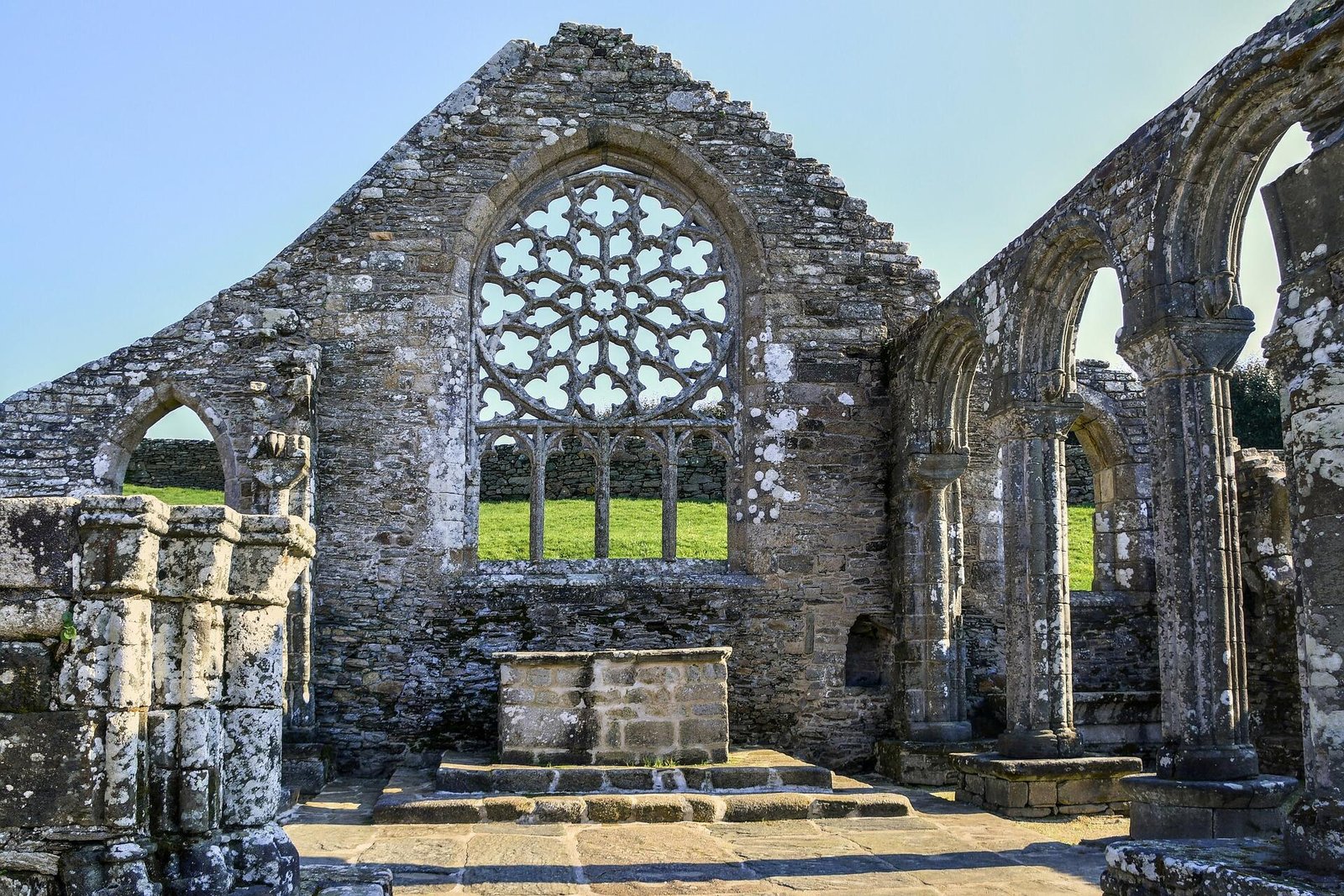
Over the last few weeks there’s been a number of articles that have appeared in the press highlighting decline in the religious life of Scotland and claiming in particular that it indicates a sudden decline in interest in organised religion in Scotland.
On the face of it, this seems difficult to argue with. Fewer people are going to church, church buildings are being closed and sold off up and down the land and therefore organised religion must be in decline. However, I think that the picture is complex. In particular, within the three largest church denominations there is clear and obvious decline in all of them but the reasons for, and the character of that decline, seem to me to be quite different across those churches.
Let’s take them one by one.
Firstly, my own denomination, the Scottish Episcopal Church. There is no doubt that the numbers of Episcopalians are declining though they have been doing so since about the 1920s. What is the nature of the decline here at this time though? Certainly, we’ve had problems within our senior leadership in recent years and that isn’t limited to one high profile case in one diocese. For several different reasons, some of our dioceses have had patterns of stable leadership disrupted in recent times. Now, whilst it is not my belief that bishops are solely responsible for either decline or growth in their dioceses, for a church which names the Episcopate as its defining characteristic in its name, this must matter.
It is very difficult to understand how many members of the Scottish Episcopal Church there actually are. The number of communicants on a Sunday has been steadily declining. The number of non-communicants who have some kind of adherence to the church has dropped off incredibly fast. However, the number of people in the Scottish census who claim to be Anglican or Episcopalian or who claim to belong to church with which we are in full communion is very significantly higher. As with all the church denominations that I’m discussing in this article, there are churches which buck the trend and are growing and attracting new worshippers. We find it very difficult to celebrate such successes and very difficult to learn from them. Not paying attention to what is working seems to me to be characteristic of decline. Many people I know in the Scottish Episcopal Church are quite upbeat though, notwithstanding the terrible statistics that we report each year. (And we’ll ignore the cries of those who want to count the dog training classes in the church hall as reasons to pay no attention to the decline of people actually turning up to worship God). The upbeat mood is partly because I think that quite a lot of clergy really do believe that the SEC has what many religious people in Scotland need right now. Liturgical worship and ethical values that align with the population are a great starting point. However, the quality of our worship is something we find difficult to talk about and our inability to communicate to local populations that something that will give them life in all its fullness is right on their doorstep is part of our story. I don’t think that continuing decline at current rates is inevitable but we need life-changing worship and a clearer narrative if things are going to change for the better.
The Scottish Episcopal Church has been the third largest church in Scotland for a long time. The next largest has traditionally been the Roman Catholic Church though that may change depending on how you count. It wouldn’t surprise me if there were more Roman Catholics at mass on a Sunday than there are members of the Church of Scotland at worship. And I’m sure that it is the case that there are more people receiving communion from the Roman Catholic Church in Scotland than from the Church of Scotland. See what I mean about it being difficult to know how to count Christians?
The Roman Catholic Church has been declining in Scotland for some time as it has in most Western countries. Abuse scandals here and abroad have rocked confidence in the hierarchy of the church. Decline is real. People are not going to mass as they used to do and again, local churches are being closed down and sold off. However the Roman Catholic Church has its own distinctive pattern of decline. As an outsider, one of the things that I see most strongly is that there is a stronger cultural tie within Roman Catholic Communities than there is in other denominations. What that means is that those who grew up Roman Catholic are still quite likely to describe themselves as Roman Catholic long after they’ve stopped going to church. I suspect that members of the Church of Scotland who stop going, stop thinking of themselves as part of the Kirk much more readily. The Roman Catholic Church also benefits from the immigration of Roman Catholics from many different parts of the world. Congregations, particularly in the cities, are eclectic and diverse. The Pope’s emphasis on Mercy is a way of speaking which is beginning to change how people think about that church. It speaks well to Roman Catholics who have lost touch with parish life. Recent attempts to introduce synodality into the church – a more consultative way of being the church, have yet to see any fruit, but who knows…maybe there are glimpses of something fresh and new in those conversations. However, the Roman Catholic Church has within it its own worst enemies. Far-right populist Roman Catholicism seems on the rise. It doesn’t attract people like me but then it isn’t aimed at attracting people like me. The Roman Catholic Church has as its named charism the unity of a truly catholic gathered people. Unfortunately, that very ethos is challenged by division and factionalism that could put protestants to shame.
Finally, the Church of Scotland. It is the sell off of many Church of Scotland properties that seems to have attracted the attention of journalists in the secular press. The landscape of Scottish religion is changing right now by the disappearance of the Church of Scotland from many local areas. Buildings are being sold off at an amazing pace. Some of them have great history. It is worth taking a look at the list of buildings being sold to get an idea of the scale and pace of change. Many of these buildings have great history. Many of them are significant parts of the built heritage of our land. They are being transferred to private hands.
The decline of the Church of Scotland seems different to me to the decline of the other churches. Its speed is astonishing. Again, the defining characteristic of the denomination is being challenged by the decline – it is hard to claim to be The National Church when large areas of the country don’t have local congregations. The decline of the C of S seems to me to be more like what happened to the Scottish Episcopal Church in 1689 than what has been happening to the Scottish Episcopal Church over the last 100 years of decline. In 1689, Scotland decided that it didn’t want the Episcopalians. People lost local clergy and buildings and we disappeared from national life. This is what is happening to the Church of Scotland right now and it is a hugely significant thing to happen to this nation.
Many things are very different to 1689 of course. It is the Church of Scotland’s own policies which are driving the sell-off of buildings rather than national politics. Those policies are brutal and more than one friend in the Church of Scotland has commented that people in the General Assembly voted for them because they thought that a managerial approach needed to be taken to the church and that lots of churches needed to be closed though the very same people never thought it would happen to their own worshipping communities. People up and down the land have stories about the Church of Scotland closing up in precisely the places that one might have expected local parish churches to thrive.
In the midst of all this, it is important to say that the smaller denominations in Scotland would not all share the narrative of decline of the larger ones. The Free Church seems to have a confidence about it that many would not expect it to have. The tiny Orthodox communities in Scotland see conversions to Orthodoxy more often than many would suspect.
The message I get from this is that churches which have a strong sense of identity and have a clear way of communicating that identity are likely to do well in 21st century Scotland.
These reflections are merely those of someone in one part of the country, there may well be people who see different things happening in different places. Ecumenism is often limited to church leaders making bland statements these days rather than people from different churches meeting one another to engage on matters affecting church and state. Interfaith engagement somehow seems more interesting than ecumenical contact which has largely stalled. We like one another more than we used to do but we don’t do much together.
So there you have it. Decline is real but it is different in different churches. Only by being interested in it and thinking carefully about it do we stand much change of changing things.
Perhaps I’ll write a bit more again this year about how we might get out of the doldums.
In the meantime, it may be that others want to comment on their own perspective of what is happening to the churches in the comments below.


Leave a Reply