
There have been quite a lot of new hits on the blog over the last few days, not least because of the Rudolphus post, which is currently receiving comments about the quality of the Latin. The comments are in Latin too.
Seeing all these new hits come in, I decided it was time to update the About page on this blog. It now says a little more about what I do than the two line one that was there before which just had my job title and links to twitter and facebook.
If you are reading this as a new blog subscriber a particular shout out to you. Willkommen! Bienvenue! Welcome! Thank you for signing up to receive updates by email. I hope you enjoy reading all this. Do join in the comments. This is a lively community which I learn from and which often makes me laugh.
This is what I’ve said on the new About page. (Many thanks, as usual to Gordon Smith who took most of the photographs).
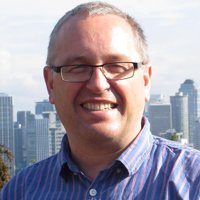 Hi, I’m Kelvin Holdsworth. Welcome to my blog. I’ve been writing here since August 2003. I’m the Provost of St Mary’s Cathedral in Glasgow – a busy church with a progressive ethos in the inner West End of the city. Glasgow is a place that I love and have a strong connections with both through my family and my childhood – I went to school just a few miles outside of the city.
After school, which I finished back in Yorkshire where I was born, I studied Mathematics and Computing at Manchester Polytechnic before going on to study theology at the University of St Andrews and the University of Edinburgh.
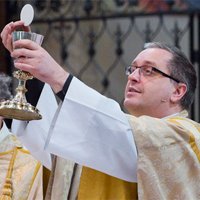 I enjoy my work – celebrating the Eucharist as I’m doing here, preaching and leading a busy, interestsing congregation which is gathered from all over the world. This blog is an extension of my preaching ministry sometimes – I tend to post my sermons here for all to see and I enjoy the debates that sometimes arise in the comments.
 The Independent of Sunday was kind enough to include me in their Pink List – their annual celebration of movers and shakers in the UK who come from the LGBT communities. I’m one of the more outspoken members of clergy who happen to be gay and I write quite a lot about that on the blog. For me, equality is indivisible – I think that people should be treated alike whether or not they happen to be gay or happen to be straight and that has led me to be one of the campaigners to Equal Marriage in Scotland. I look forward to the day when I’ll be able to marry such couples in church.
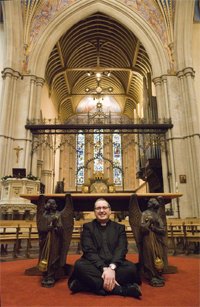 As well as finding me in church, you will find me in other places too. Social media seems to have been invented for me and I’m active on both facebook and twitter.
If you want to keep up with the things that I write on this blog, you can subscribe using the box below. If you do, you’ll never miss a post.


Leave a Reply